When Heating or Cooling Failures Become Emergencies
Extreme weather in Central North Carolina can turn an HVAC outage into a safety hazard within hours. In summer, Raleigh's sustained humidity and heat index can push indoor room temperatures past 90°F, posing severe risks for elderly family members, young children, and pets.
In winter, freezing weather threatens frozen plumbing pipes inside exterior walls and crawlspaces if indoor temperatures drop below 50°F. We prioritize urgent calls where comfort, health, and property safety are at risk.
Our dispatch desk operates with dedicated routing, ensuring urgent heating and cooling failures receive prompt field technician assignment across all Triangle municipalities including Cary, Garner, and Wake Forest.
- Elderly residents, newborns, or individuals with respiratory conditions living in extreme heat or cold.
- Attic air handlers overflowing condensate water and leaking through ceiling sheetrock.
- Electrical burning odors coming from breaker panels, thermostats, or air handlers.
- Total loss of heating when outdoor temperatures drop below freezing.
- Sudden loud screeching or grinding noises indicating imminent motor bearing failure.
- Outdoor heat pump completely encased in thick sheets of solid ice during winter storms.
Need Fast Emergency HVAC Repair in Raleigh?
Call (321) 666-8870. We confirm your arrival window and provide an itemized written quote before any work starts.
Upfront Written Quote
Before any repair starts
Same-Day Dispatch
When booked by noon
Transparent Diagnostics
$75–$145 full test fee
Midtown Raleigh Hub
4800 Six Forks Road
What to Do Immediately While Awaiting Emergency Dispatch
Taking immediate safety precautions protects your equipment from compounding damage and prepares your home for the technician's arrival:
1. Switch System Off at Thermostat: If the unit is blowing warm air in summer or making loud electrical buzzing noises, turn the thermostat to 'Off' to prevent compressor burnout.
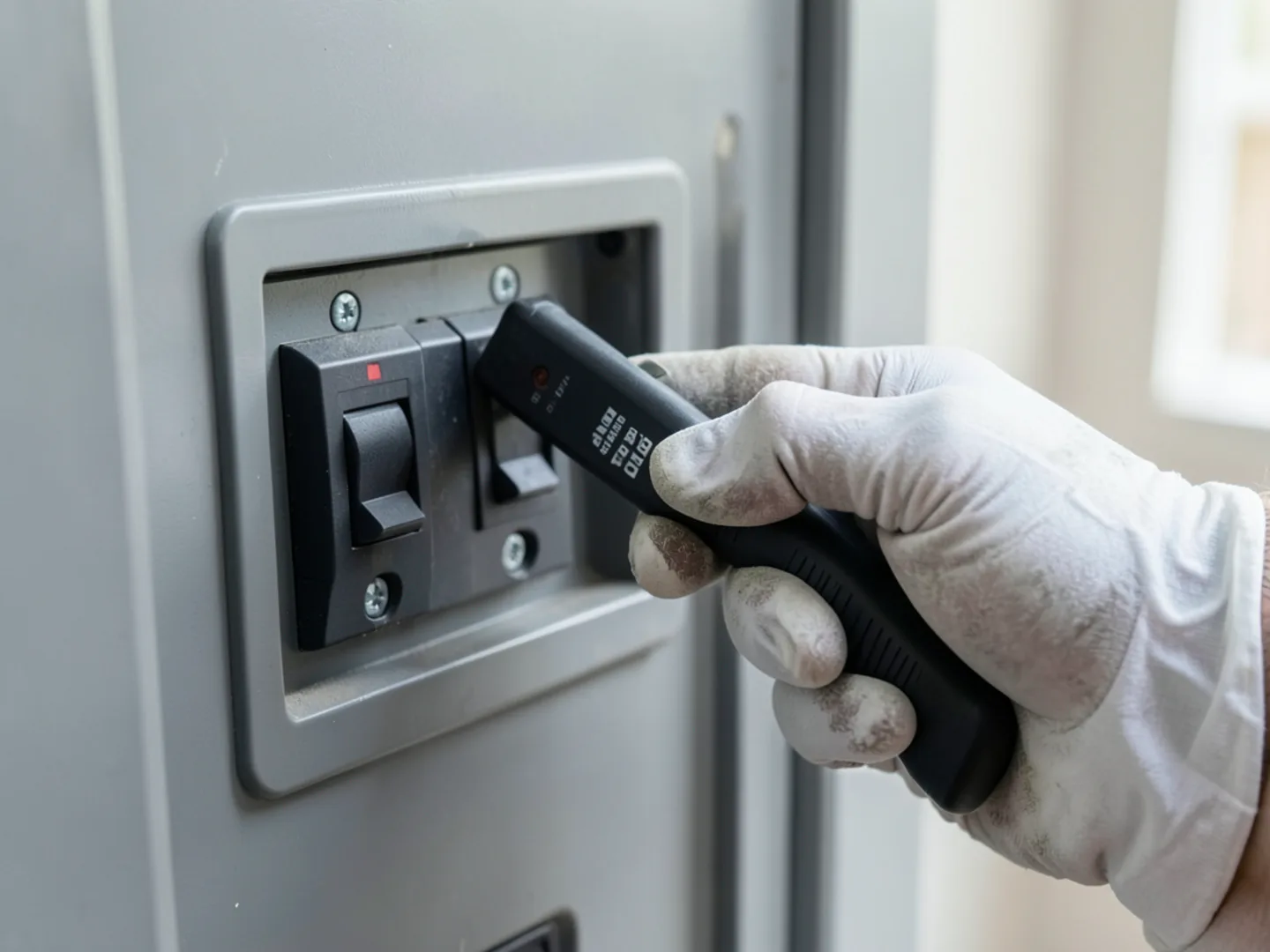
2. Check the Main Circuit Breaker: Look for a tripped double-pole breaker. Reset it once firmly. If it trips a second time, leave it off—this indicates a direct electrical short.
3. Contain Water Leaks: If an attic air handler is leaking, turn the system off immediately and place towels or buckets under the drip area to protect your ceilings.
4. Keep Windows and Doors Closed: Preserve existing indoor thermal buffer by drawing blinds and keeping exterior doors shut.
Never attempt to open high-voltage electrical panels, touch bare copper wiring, or spray frozen outdoor coils with boiling water, which can rupture fragile refrigeration tubing.
Five-Step Emergency HVAC Dispatch and Restoration Protocol
When you call our emergency line, our team follows a structured protocol designed to deliver speed, safety, and transparent communication:
- Step 1 — Urgent Intake & Hazard Assessment: Our dispatcher collects your symptoms, verifies immediate safety, and provides a confirmed arrival window.
- Step 2 — Rapid Travel & Live Notification: You receive text notifications when your technician is en route, complete with the technician's name and live tracking.
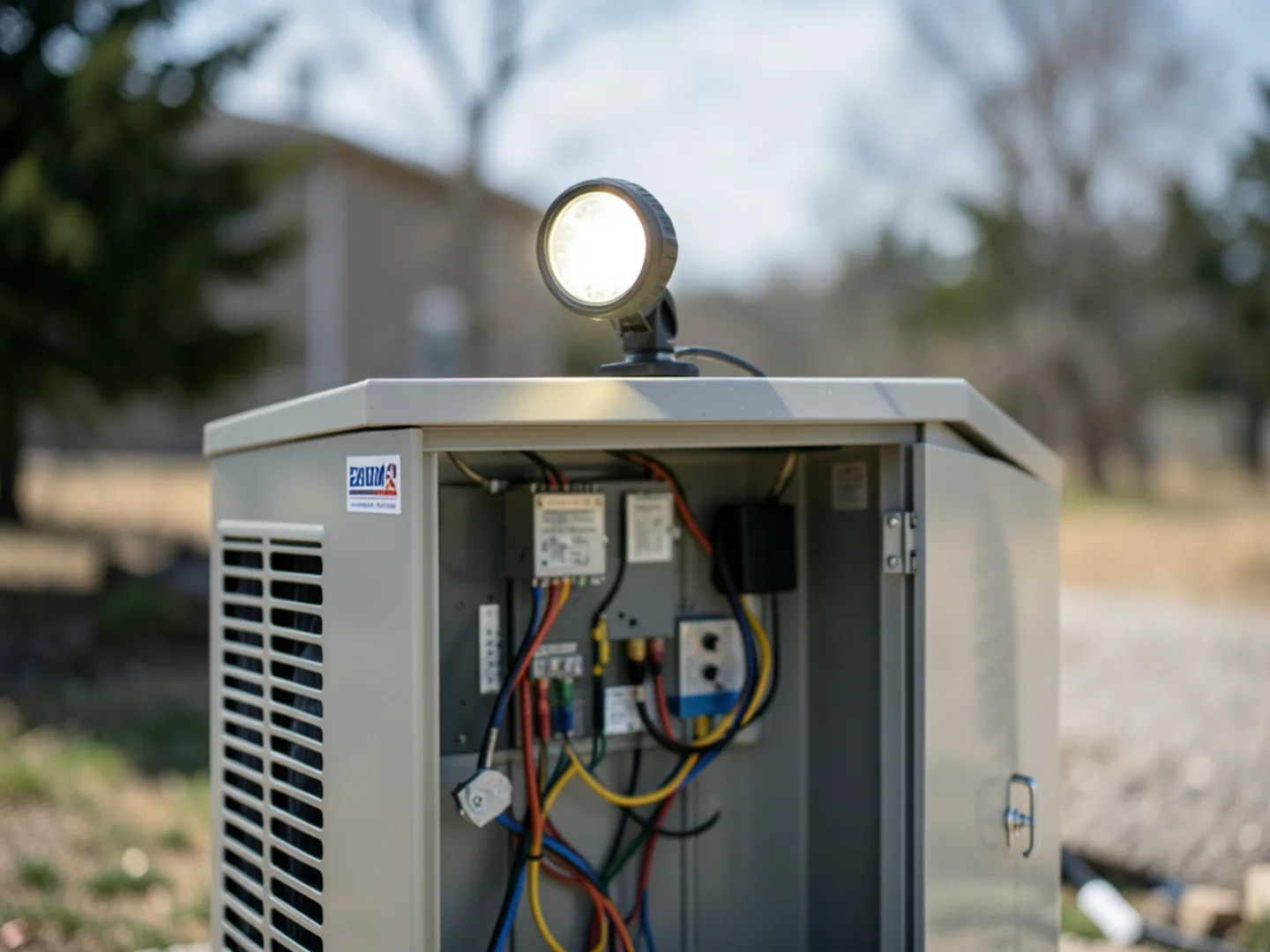
- Step 3 — High-Voltage Electrical & Component Testing: The technician disconnects power and systematically tests capacitors, contactors, sequencers, and safety limit switches.
- Step 4 — Upfront Flat-Rate Estimate: You receive an itemized quote before any work starts. We carry digital flat-rate pricing guides on field tablets so pricing remains consistent.
- Step 5 — Precision Repair & System Delta-T Verification: The repair is completed using parts stocked directly on the truck, followed by testing supply register temperatures and verified safety cycling.
Raleigh Emergency HVAC Pricing: Diagnostic Fees and Component Costs
Dealing with an emergency is stressful enough without predatory pricing. Quality Heat and Air quotes your emergency diagnostic dispatch fee clearly before sending a technician to your door, typically ranging between $75 and $145.
Once on site, the technician diagnoses the system and provides an itemized written estimate for repairs. The vast majority of emergency repairs fall between $150 and $800, covering standard parts like dual-run capacitors ($185 to $375), heavy-duty contactors ($150 to $280), electric heat sequencers ($180 to $380), and blower motor relays ($220 to $450).
You approve all work before any repairs are performed—no surprise add-ons, no hidden travel surcharges, and no high-pressure replacement pitches.
Transparent Flat-Rate Assurance
Our technicians use identical flat-rate pricing guides regardless of whether your call occurs on a weekend afternoon or late evening. You see the full itemized repair cost before any work begins.
Emergency Permitting Rules, Duke Energy Exemptions, and NC Licensing
In situations where an emergency breakdown involves catastrophic compressor failure or a cracked heat exchanger requiring complete unit replacement, North Carolina and utility regulations provide specific protections.
Under Duke Energy Progress Smart $aver program rules, emergency HVAC replacements are explicitly exempt from the pre-installation Home Energy Check normally required for rebate qualification. Homeowners who must replace an inoperable heating or cooling unit on an emergency basis can still qualify for up to $1,000 in utility rebates.
All emergency work is performed under North Carolina General Statutes Chapter 87 Class H-3 licensing standards. When emergency replacement is necessary, our company pulls expedited trade mechanical permits through the City of Raleigh or Wake County building inspections department to guarantee full code compliance.
Dispatch Protocols and Response Capabilities Across Wake and Durham
Operating centrally from our Midtown/North Hills hub at 4800 Six Forks Road, our service vehicles have immediate access to I-440, I-540, and US-1. This strategic hub enables rapid dispatch across Raleigh, Cary, Garner, Wake Forest, Morrisville, Apex, and Durham.
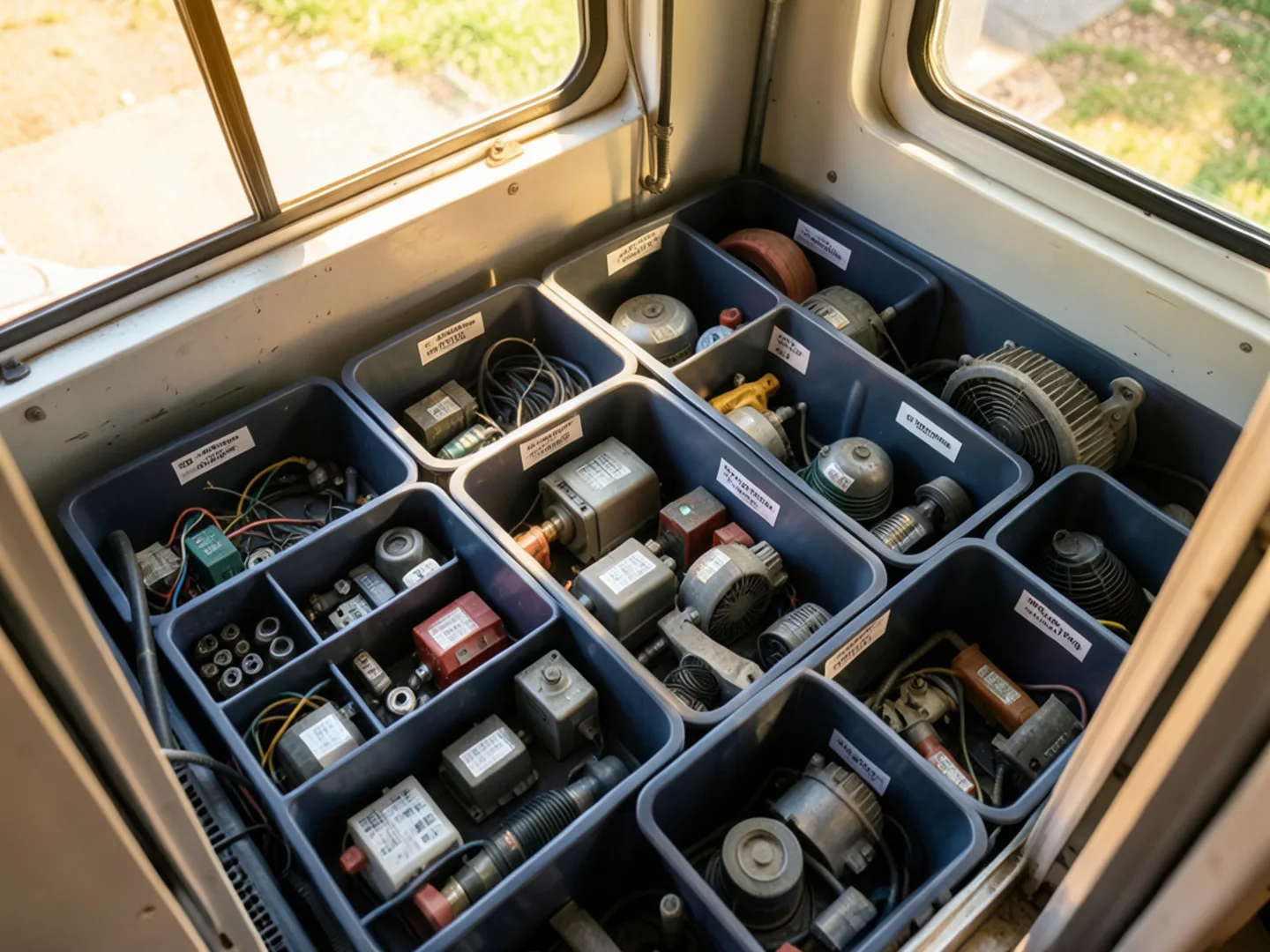
Our service vehicles are stocked with universal dual-run capacitors, heavy-duty contactors, transformer relays, blower motors, defrost boards, flame sensors, and R-410A refrigerant to resolve emergencies on the initial visit.
We communicate realistic ETA windows based on real-time Triangle traffic, so you know exactly when to expect your technician.
Common Night and Weekend Emergency HVAC Breakdowns
Most emergency HVAC calls stem from high thermal stress during peak usage hours—usually between 4 PM and 9 PM when outdoor temperatures peak and families return home.
Sustained heat breaks down capacitor dielectric fluid, causing capacitors to swell and rupture. High amperage draws weld contactor points together, keeping outdoor fans running continuously until motor windings burn out. In attics, overflowing condensate safety switches shut down cooling circuits to prevent water damage.
During winter ice storms, the most common after-hours emergency is an outdoor coil completely frozen into a block of solid ice due to a bad defrost sensor, or burnt auxiliary heat strip sequencers that leave homes without emergency heat.
Storm Recovery and Power Restoration Triage
Summer severe thunderstorms and winter ice storms frequently knock out power across Wake County. When Duke Energy restores grid power, voltage spikes can damage sensitive electronic boards.
If your system fails to restart after power is restored, do not repeatedly flip the breakers. Call our emergency dispatch for systematic electrical testing and safe system restoration.
We test line voltage, check for blown control transformer fuses, and verify crankcase heater operation before restarting large scroll compressors after an extended outage.
Why Wake and Durham County Families Choose Quality Heat and Air for Emergencies
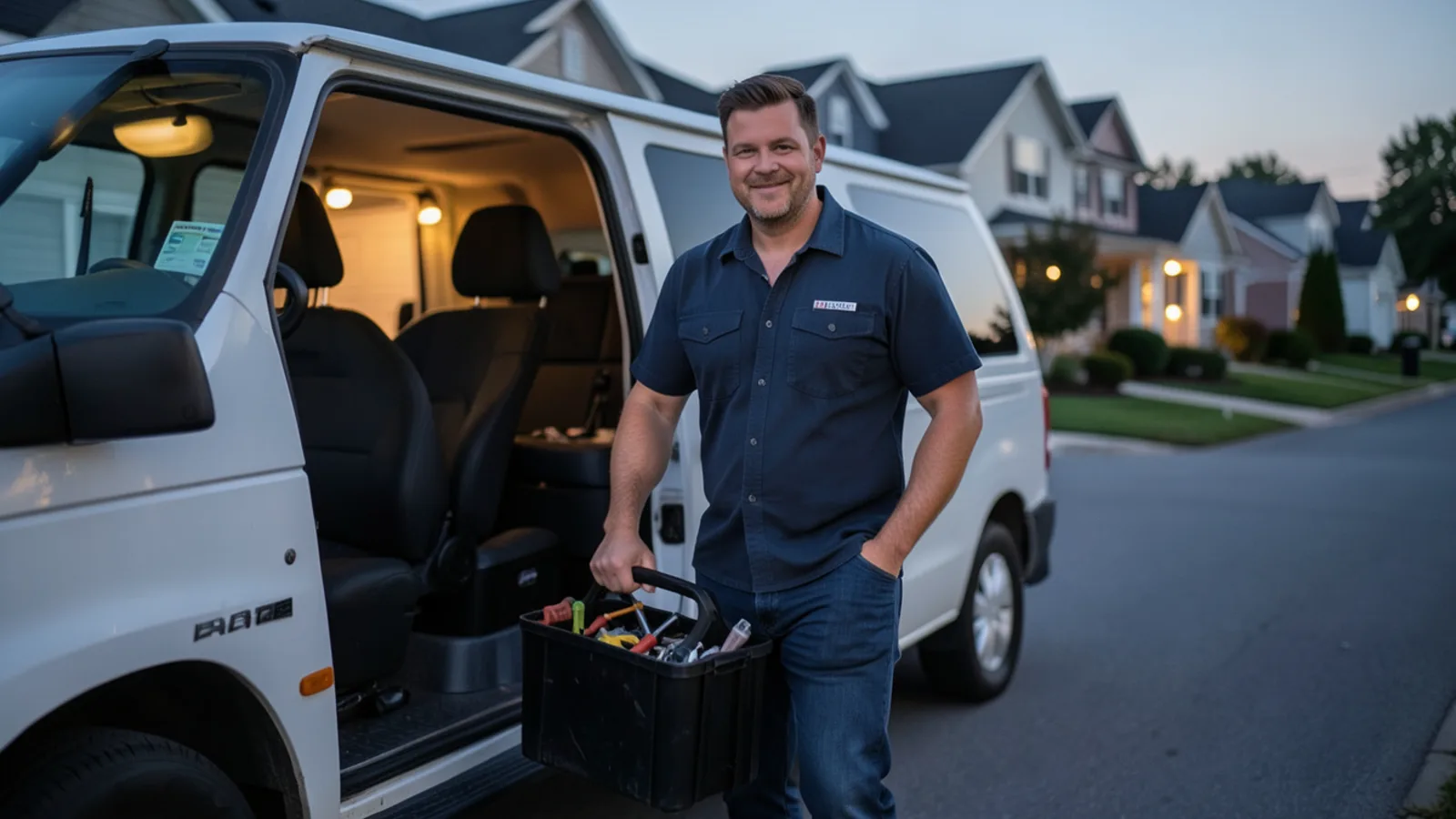
When heating or cooling fails during extreme weather, you need a local contractor with real trucks, real parts, and real technicians stationed nearby. Quality Heat and Air operates from Midtown Raleigh, placing our crew 20 to 30 minutes from most Triangle neighborhoods.
We never use automated third-party call centers that give vague answers. When you call (321) 666-8870, you connect directly with local dispatchers who understand Raleigh neighborhoods and can route help fast.
Every emergency repair is completed to manufacturer specifications and backed by clear parts-and-labor warranties for your complete peace of mind.
Questions About Emergency HVAC Repair in Raleigh
Answers to common questions about diagnostic fees, repair costs, and local standards.
From our Six Forks Road hub, response times typically range from 30 to 90 minutes depending on current technician location, weather conditions, and call volume across Wake and Durham counties.
Get Your System Inspected by Our Raleigh Team
Speak directly with our technicians. Call (321) 666-8870 for prompt dispatch across Wake County and Durham.
Upfront Written Quote
Before any repair starts
Same-Day Dispatch
When booked by noon
Transparent Diagnostics
$75–$145 full test fee
Midtown Raleigh Hub
4800 Six Forks Road