
Comprehensive Heat Pump Diagnosis for Triangle Suburbs
Unlike standard air conditioners that rest all winter, heat pumps work continuously across all four seasons. A single reversing valve controls whether heat is extracted from your home or absorbed from outside air and pumped indoors.
Because heat pumps carry double the annual runtime of cooling-only systems, mechanical components like reversing valves, defrost sensors, and electronic expansion valves require precision calibration and testing.
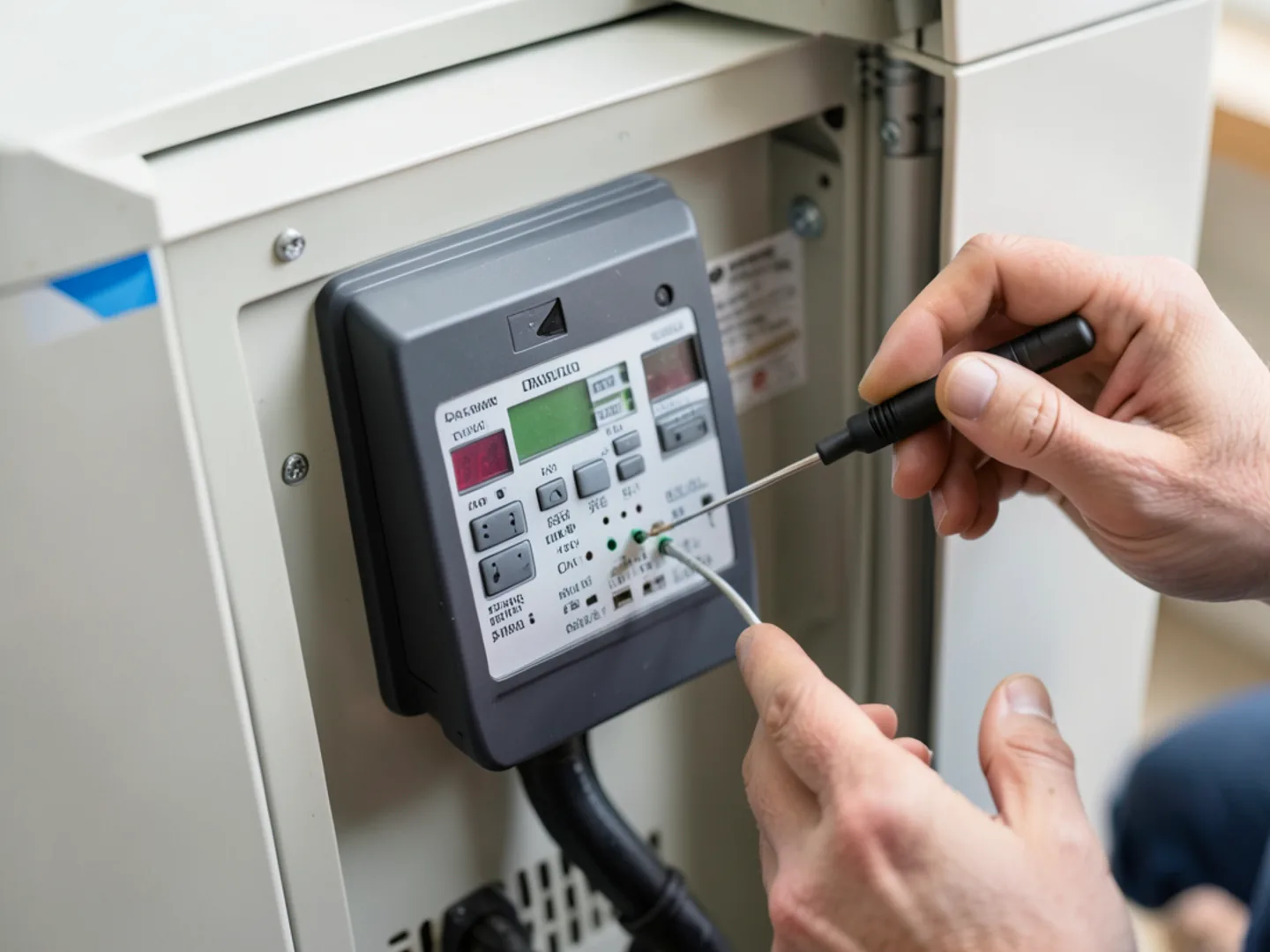
Our technicians carry specialized digital manifold gauges, temperature probes, and diagnostic tools to evaluate reversing valve switching, check TXV bulb seating, and measure exact superheat in both heating and cooling modes.
From older builder-grade units in established neighborhoods near Cary and Apex to advanced variable-capacity inverter systems in newer subdivisions, we troubleshoot heat pump issues accurately without guess-work.
- Heat pump blowing room-temperature or chilly air during heating mode.
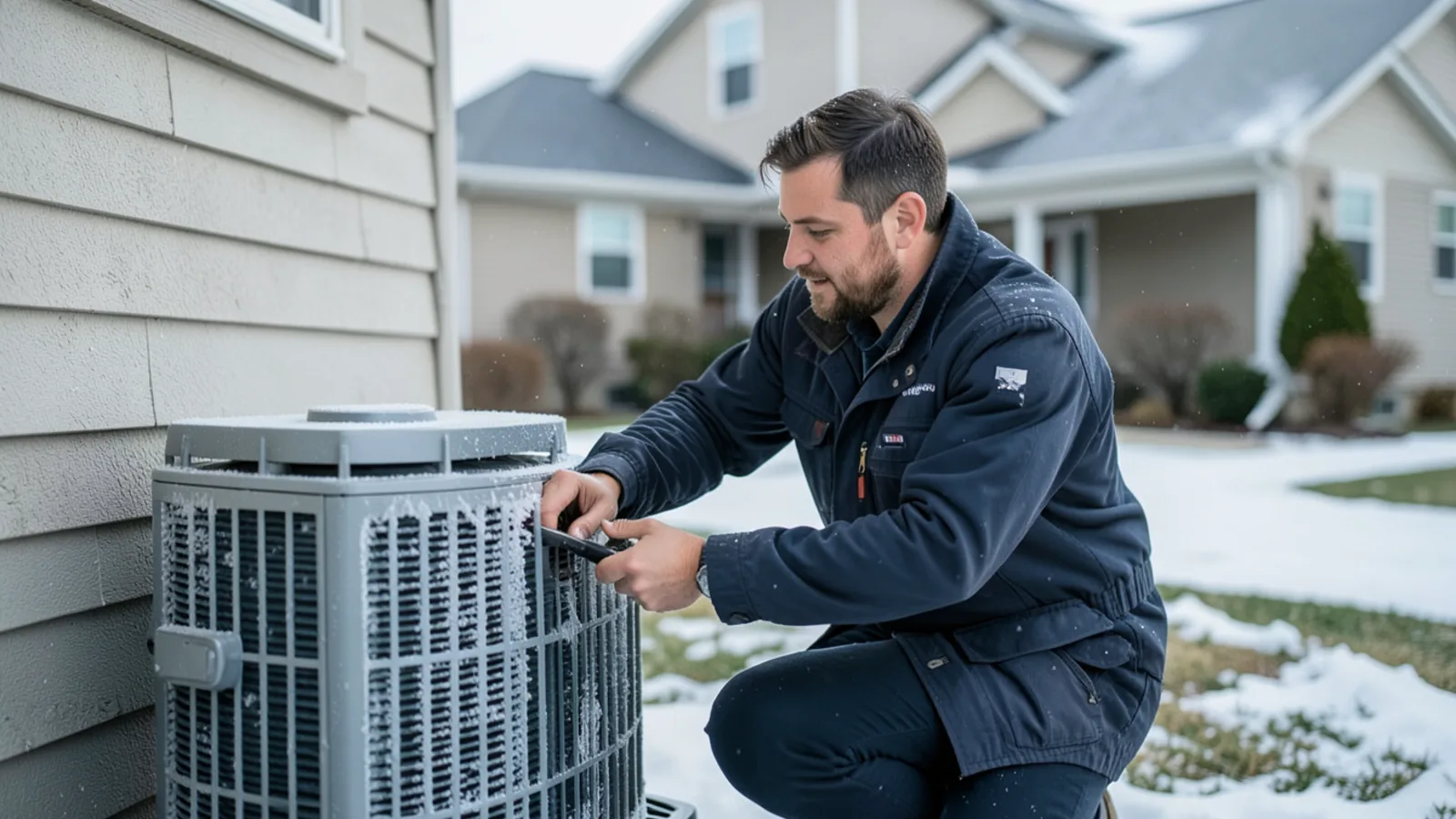
- Outdoor condensing unit encased in thick, solid sheets of ice.
- Thermostat permanently displaying 'Aux Heat' or 'Emergency Heat', resulting in massive power bills.
- Loud whooshing sounds or mechanical grinding when the reversing valve cycles.
- Ductless mini-split wall units flashing diagnostic error codes or leaking condensate.
- Outdoor fan motor seized or rattling during winter freezing rain storms.
Need Fast Heat Pump Repair in Raleigh?
Call (321) 666-8870. We confirm your arrival window and provide an itemized written quote before any work starts.
Upfront Written Quote
Before any repair starts
Same-Day Dispatch
When booked by noon
Transparent Diagnostics
$75–$145 full test fee
Midtown Raleigh Hub
4800 Six Forks Road
Why Heat Pumps Blow Chilly Air During Freezing Weather
A common misunderstanding among homeowners new to heat pumps is the temperature of the air coming from supply vents. A gas furnace delivers air at 120°F to 135°F, whereas a heat pump typically delivers warm air between 90°F and 100°F.
Because human body temperature is 98.6°F, air moving at 92°F can feel slightly cool to the touch even while steadily warming your home. However, if supply air measures below 85°F in heating mode, your system has a genuine mechanical issue.
Common failures include a reversing valve stuck in the cooling position, low refrigerant pressure preventing heat absorption, or an open high-limit switch on your auxiliary electric heating element.
We measure temperature splits at both the outdoor coil and the indoor plenum to determine whether the problem lies in the refrigeration circuit or the indoor electric heat bank.
Defrost Board Logic and Outdoor Ice Accumulation
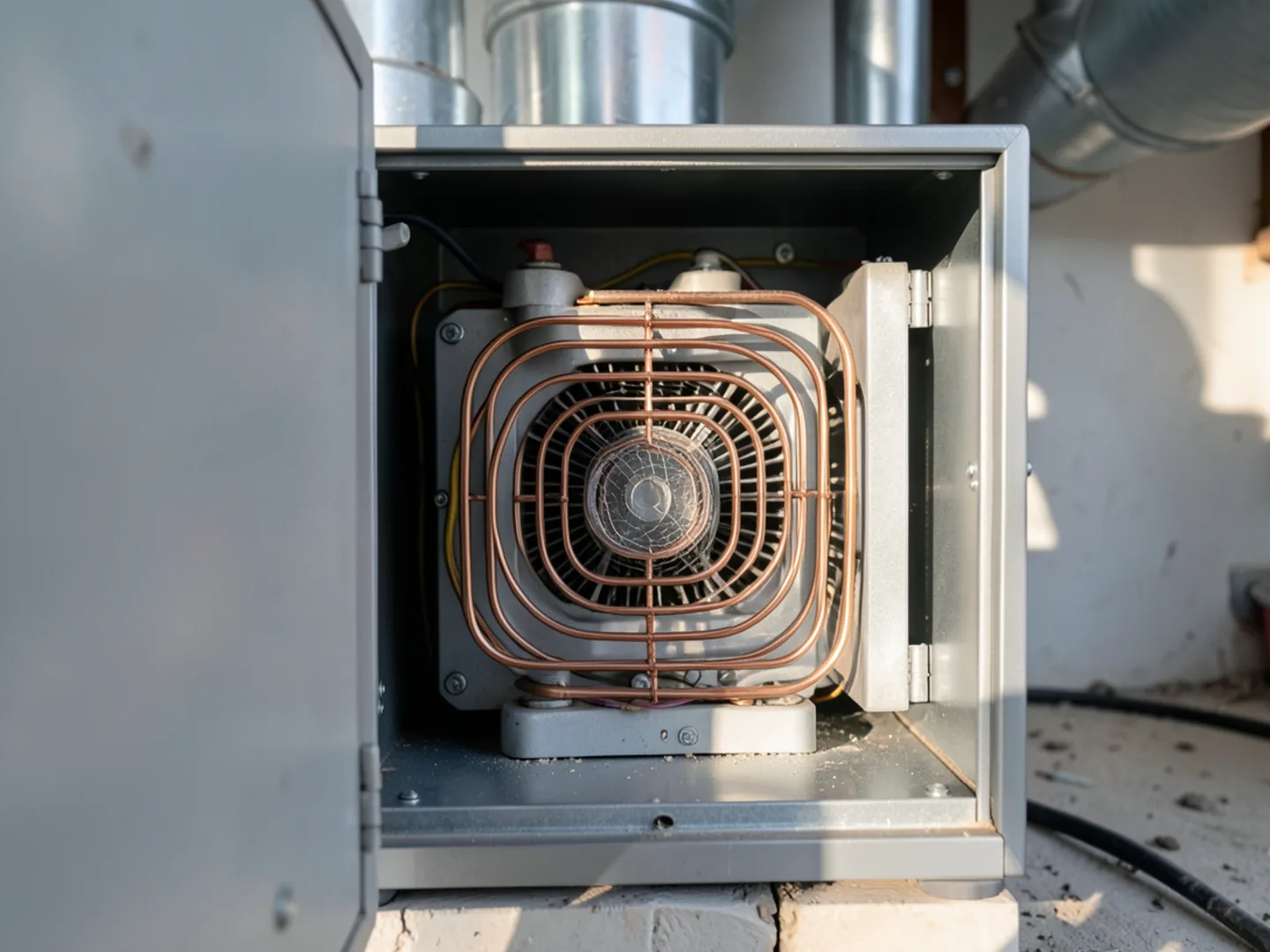
In winter, an outdoor heat pump coil operates below freezing, causing atmospheric humidity to condense into a thin layer of frost. Every 30 to 90 minutes of runtime, the defrost control board initiates a defrost cycle.
During defrost, the heat pump temporarily reverses back into cooling mode to send hot gas through the outdoor coil, melting the frost. Meanwhile, indoor auxiliary heat strips engage so cold air does not blow into your home. The cycle ends when the defrost temperature sensor reaches approximately 55°F.
If the defrost sensor fails, the control board relay sticks, or the outdoor fan motor does not stop during the cycle, frost turns into heavy, solid ice that crushes aluminum coil fins and burns out the compressor.
Five-Step Heat Pump Diagnostic and Calibration Procedure
Every heat pump service call follows a rigorous five-step testing sequence designed to isolate electrical faults from refrigeration issues:
- Step 1 — Defrost Board & Sensor Testing: We test the defrost sensor resistance and jump control pins to force an artificial defrost cycle, verifying relay engagement and fan motor shutdown.
- Step 2 — Reversing Valve Solenoid Evaluation: Technicians test the 24-volt solenoid coil and measure temperature differentials across the four valve ports to confirm complete mechanical sliding.
- Step 3 — Auxiliary Heat Strip Amperage Check: Using digital clamp meters, we measure amp draws on indoor electric heat sequencers to confirm staging and prevent continuous auxiliary power consumption.
- Step 4 — Refrigeration Cycle Analysis: We connect digital manifold gauges to measure heating subcooling and superheat pressures, verifying expansion valve modulation and refrigerant charge.
- Step 5 — Written Estimate & Temperature Rise Verification: You receive an itemized quote before repair work begins. After repairs, we verify that supply plenum temperatures rise cleanly to target operating specs.
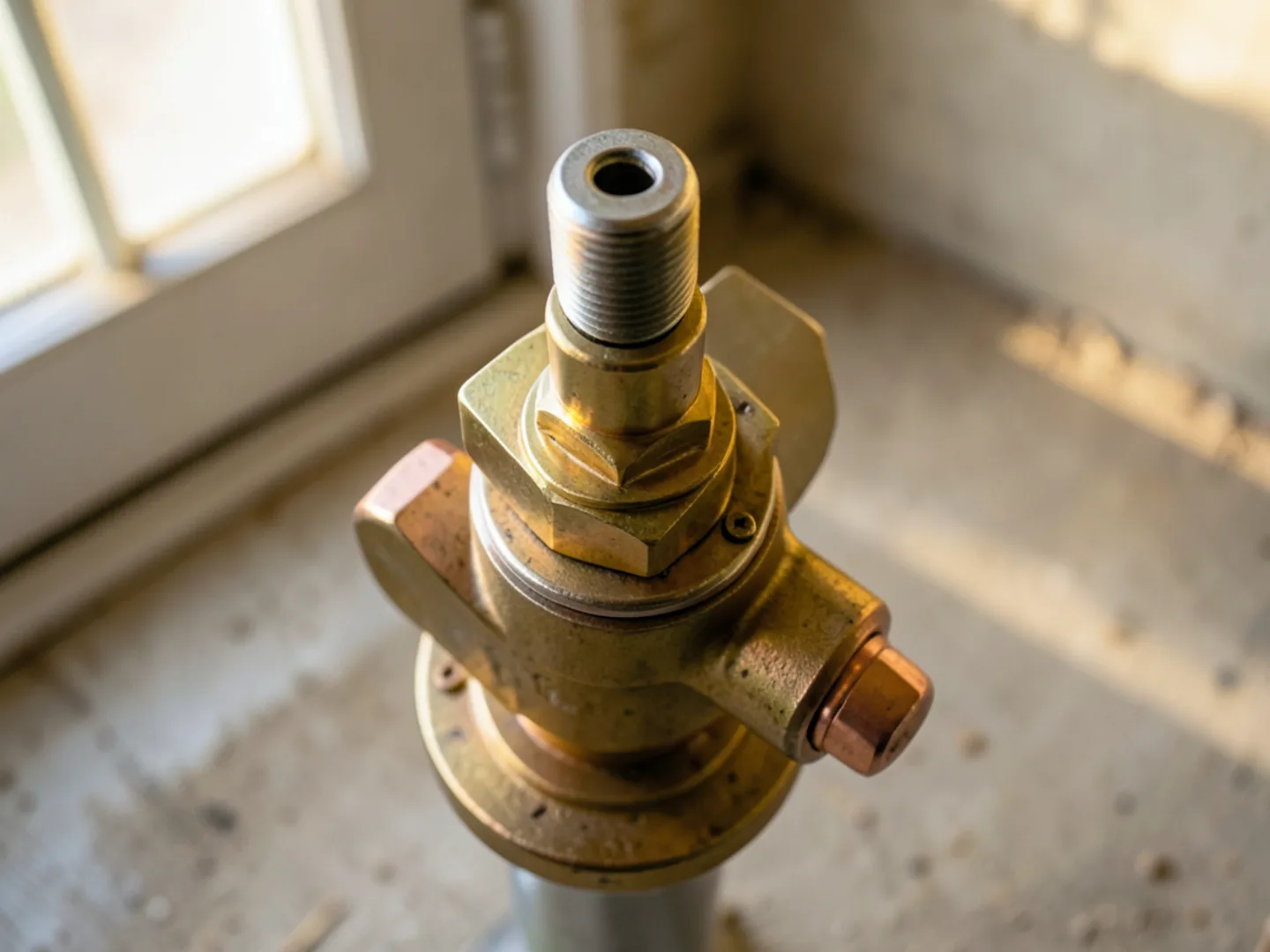
Raleigh Heat Pump Repair Costs: Diagnostic Fees and Component Pricing
Most residential heat pump repairs in Raleigh range between $150 and $800, plus an upfront diagnostic fee of $75 to $145. Knowing exact component costs helps you make informed decisions before work begins.
Common repairs include replacing a failed defrost control board ($200 to $450), swapping an auxiliary heat sequencer or heating element ($180 to $380), replacing a reversing valve solenoid ($250 to $450), and electronic leak repair with refrigerant recharge ($250 to $850). If a reversing valve body has failed internally or the compressor is grounded on an older unit, we provide an honest cost comparison against an energy-efficient HVAC replacement.
All diagnostic fees include complete electrical, mechanical, and safety testing with zero hidden travel charges or undisclosed fees.
Clear Pricing Commitment
You receive an itemized written quote covering both parts and labor before any tools touch your heat pump. If a simple sensor swap resolves the problem, we never push unnecessary replacements.
North Carolina Elevation Codes, H-3 Licensing, and Permitting Requirements
Under North Carolina Mechanical Code provisions, heat pump outdoor condensing units must be installed on approved composite equipment pads elevated at least 4 to 6 inches on risers above the ground level. In our Central North Carolina climate, this elevation prevents heavy winter rain, slush, and leaf buildup from blocking drainage holes during defrost cycles, stopping ice dams from warping outdoor fan blades.
Residential heat pump repairs involving forced-air systems up to 15 tons are regulated under North Carolina General Statutes Chapter 87, Article 2, requiring an active Class H-3 mechanical contractor license issued by the State Board of Examiners of Plumbing, Heating and Fire Sprinkler Contractors.
Routine component repairs—including defrost boards, capacitors, fan motors, and sequencers—do not require city permitting. However, full system replacements or air handler changeouts require an expedited trade mechanical permit through the City of Raleigh or Wake County inspections department.
Dual-Fuel Hybrid Heat Pump and Gas Furnace Systems
In many newer homes across Apex, Cary, and North Raleigh, builders install dual-fuel hybrid systems. These pair an electric heat pump with a natural gas furnace backup.
An outdoor temperature sensor or smart thermostat switches heating duties from the heat pump to the gas furnace when temperatures drop below the economic thermal balance point (usually 32°F to 35°F).
We calibrate dual-fuel crossover controls, balance air handler static pressure, and repair furnace backup ignition systems so your hybrid equipment switches seamlessly during extreme cold snaps.
Ductless Mini-Split Heat Pump Repair Across Wake County
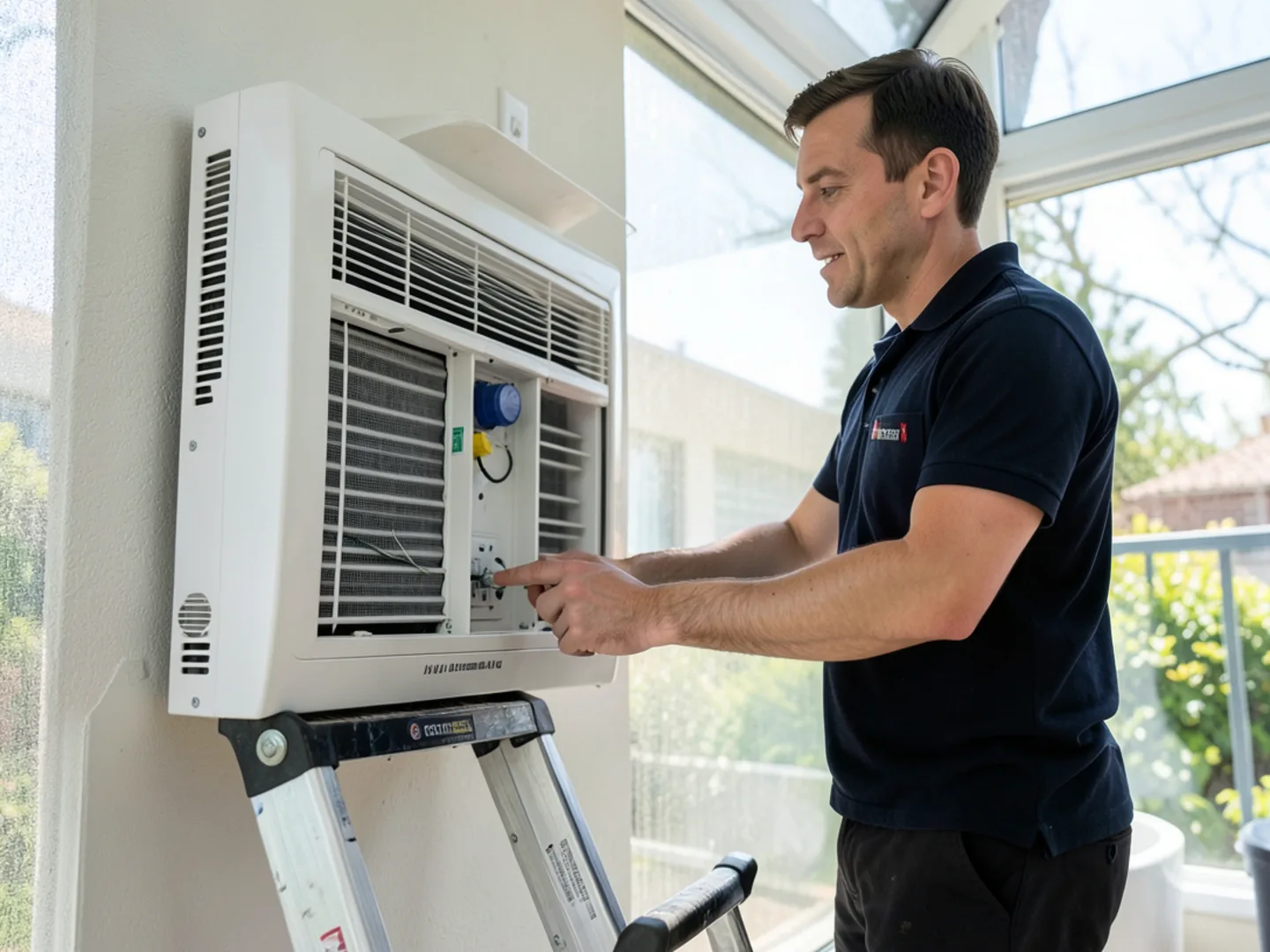
Ductless mini-splits are widely installed in Raleigh bonus rooms, sunrooms, master suite additions, and historic downtown homes without ductwork. These inverter-driven systems operate with variable-speed DC compressors.
Our technicians repair flare-fitting refrigerant leaks, replace failed indoor blower wheel bearings, clean clogged condensate drain lines, and troubleshoot electronic inverter circuit boards across all major mini-split brands.
Because ductless systems utilize sophisticated communication cables between indoor heads and outdoor condensers, we verify DC voltage signals to resolve communication lockout codes quickly.
Emergency Aux Heat Strip Troubleshooting and Power Bill Surges
When an outdoor heat pump fails mechanically, the thermostat automatically energizes electric resistance auxiliary heat strips inside the air handler to prevent the home from freezing.
While aux heat keeps your home warm, electric strip heat uses three to four times more kilowatt-hours than the heat pump compressor. If a broken heat pump goes unnoticed for two weeks in winter, your Duke Energy bill can easily double.
We repair sequencer relays, replace burnt nichrome heating elements, and restore primary heat pump operation quickly so you avoid paying hundreds in unnecessary utility charges.
Why Triangle Homeowners Rely on Quality Heat and Air for Heat Pump Service
Centrally based on Six Forks Road in Midtown Raleigh, Quality Heat and Air provides prompt heat pump dispatch across Wake, Durham, and Johnston counties. Because heat pumps operate under heavy year-round loads, our service vehicles stay stocked with universal sequencers, defrost boards, capacitors, and fan motors to complete most repairs in a single visit.
We offer same-day service when scheduled by noon and back every repair with comprehensive parts-and-labor warranties. If your heat pump is blowing cold air, freezing over, or drawing heavy electric strip heat, call our team directly at (321) 666-8870.
Questions About Heat Pump Repair in Raleigh
Answers to common questions about diagnostic fees, repair costs, and local standards.
Yes. A light, even coating of frost is normal in cold weather. However, solid ice encased over the top grille or wrapped around the compressor indicates a failed defrost board, bad sensor, or refrigerant leak that requires repair.
Get Your System Inspected by Our Raleigh Team
Speak directly with our technicians. Call (321) 666-8870 for prompt dispatch across Wake County and Durham.
Upfront Written Quote
Before any repair starts
Same-Day Dispatch
When booked by noon
Transparent Diagnostics
$75–$145 full test fee
Midtown Raleigh Hub
4800 Six Forks Road